
FIND US:
Reselo AB
Greenhouse Labs KTH
114 28 Stockholm.
Sweden.

BIRCH BARK FACTS

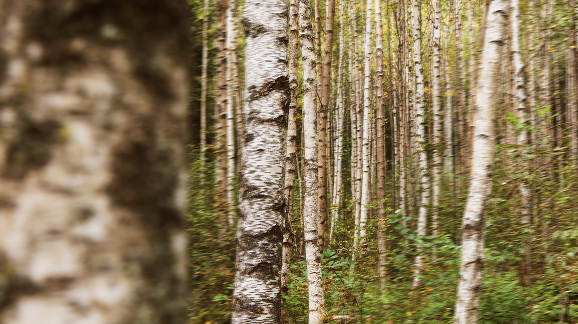
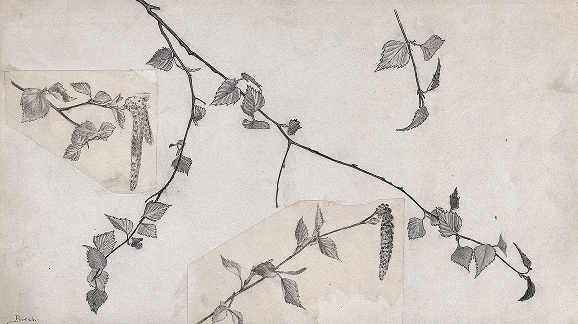
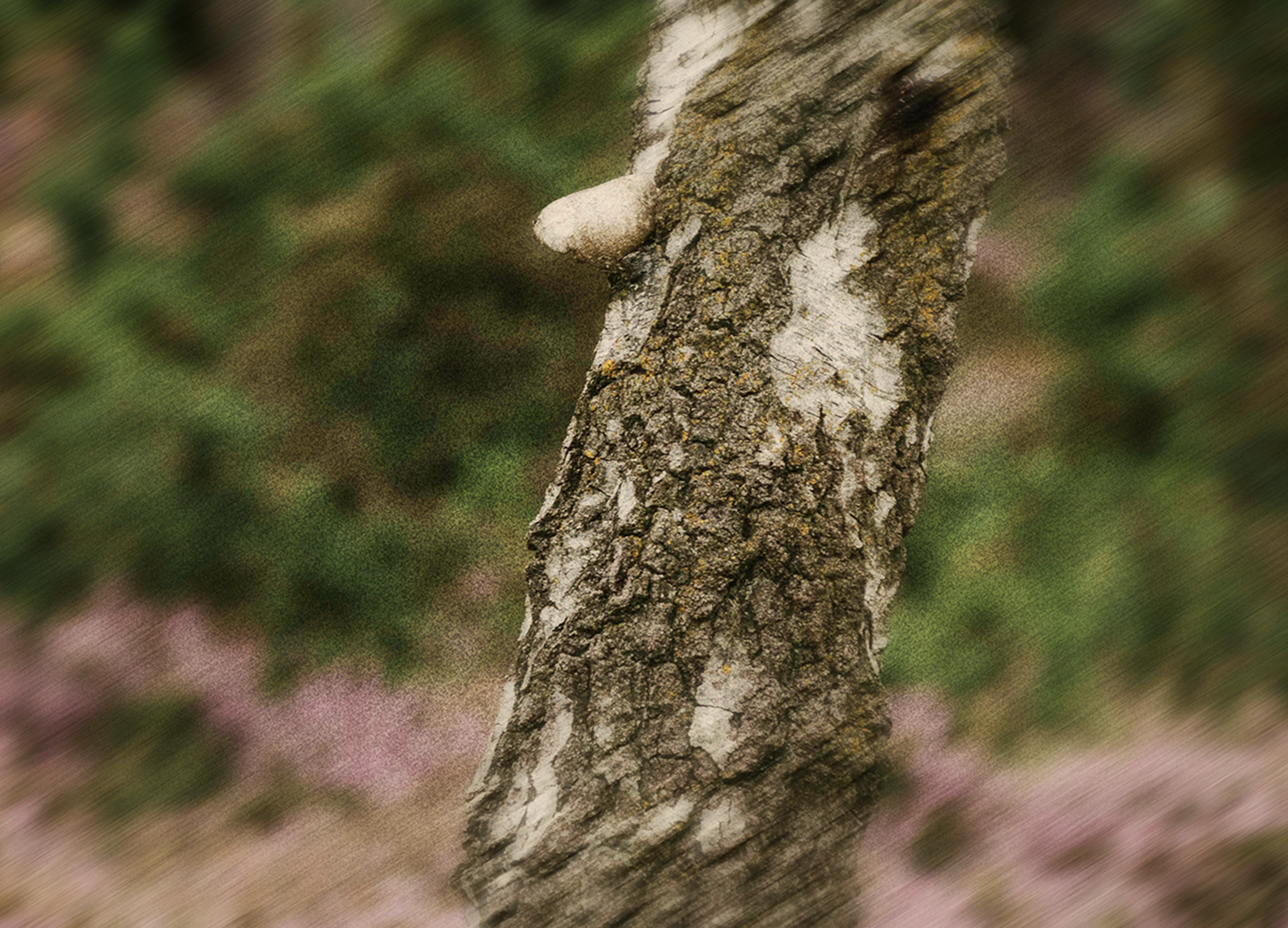
Birch trees are easily recognizable by their striking white or silver bark, which peels in thin, papery layers, revealing a smooth, light-colored surface underneath. The leaves are simple, triangular, and serrated, turning bright yellow in the fall. Birch trees have a fast-growing, slender stature, with smooth, often slender trunks and branches, making them stand out in forest landscapes.

WHAT MAKES
BIRCH SPECIAL

Birch is often one of the first species to grow after a forest has been cut down or burned, making it an important pioneering tree. It often thrives in challenging environments with low-nutrient soils and colder climates. It is also one of the first trees to sprout new leaves after the harshness of winter. Just like the birch tree, we at Reselo aspire to be pioneers who take the first steps into a new era of sustainable material development. Like birch thriving in challenging conditions, we too embrace the challenge of creating eco-friendly materials that regenerate, rejuvenate, and inspire.

while maintaining performance and scalability to have maximum impact. By harnessing the natural strength and resilience of birch, we strive toward developing sustainable solutions that not only reduce our environmental impact but also improve product performance.

FIVE BIRCH
BARK FACTS

Waterproof and flexible properties

Birch bark is naturally waterproof. Additionally, there aren't that many materials in nature that have the inherent flexibility birch bark does. The bark in itself is not brittle - but bends and stretches.

A truly renewable material

While we make use of bark from trees that are logged to produce pulp, paper and plywood, birch bark can also be harvested without killing the tree. Birch is one of the few trees with two distinct layers of bark - and if harvested correctly the bark grows back over time.

Used for medical purposes

Birch bark contains a compound called betulin, which has shown anti-inflammatory, antiviral, and anti-cancer properties. In traditional folk medicine, birch bark was used to treat a variety of ailments.

A tree with history

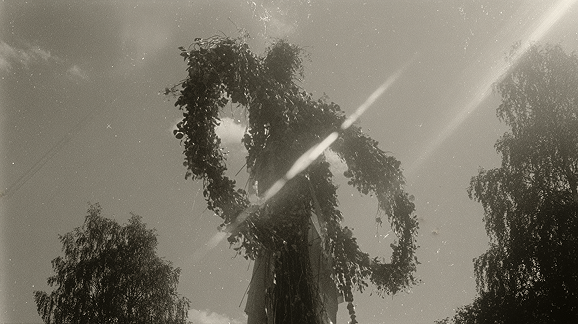
The birch tree’s symbolism varies across the globe - in Sweden, folklore and tradition spans over a thousand years and is intertwined with both magic and romance. Certain birch branches were long believed to protect against evil spirits. The tree was also under the protection of the Norse goddess Freyja and symbolized fertility, grace, and femininity.

Resilient and durable

Birch bark is incredibly resilient, able to withstand a wide range of harsh environmental conditions thanks to its tough, protective outer layer. Additionally, birch bark is resistant to many pathogens and pests, thanks to its natural oils and tannins.

BIRCH HAS ALWAYS HELPED US

Birch also plays a crucial role for modern industries. Birch timber is valued for its strength, flexibility, and ease of use - making it ideal for furniture, flooring, cabinetry, and even boatbuilding. Often used in plywood, birch is prized for its durability and stability. Its fine grain and light colour also make it popular in decorative wood products. Additionally, birch is crucial in the pulp and paper industry, where its high cellulose content produces strong, high-quality paper products.

BIRCH TODAY

Birch plays a crucial role for modern industries. Birch timber is valued for its strength, flexibility, colour, and ease of use - making it ideal for furniture, flooring, plywood and decorative wood products. Additionally, birch is crucial in the pulp and paper industry, where its high cellulose content produces strong, high-quality paper products. Two commercially important birch species - silver birch (Betula pendula Roth) and downy birch (Betula pubescens Ehrh) grow naturally in the Nordic countries, where birch constitutes approximately 11-16% of the total growing stock. Recently the interest in planting birch is growing due to rising demand for birch wood and due to its fast growth, pest resistance, biodiversity value, and climate benefits. While the wood from birch is seen as the primary resource, the bark often goes to waste or is directly burned as fuel - it's this supply of birch bark from the industry in Europe we want to valorise.

WANT TO Improve YOUR
Product's SUSTAINABILITY?