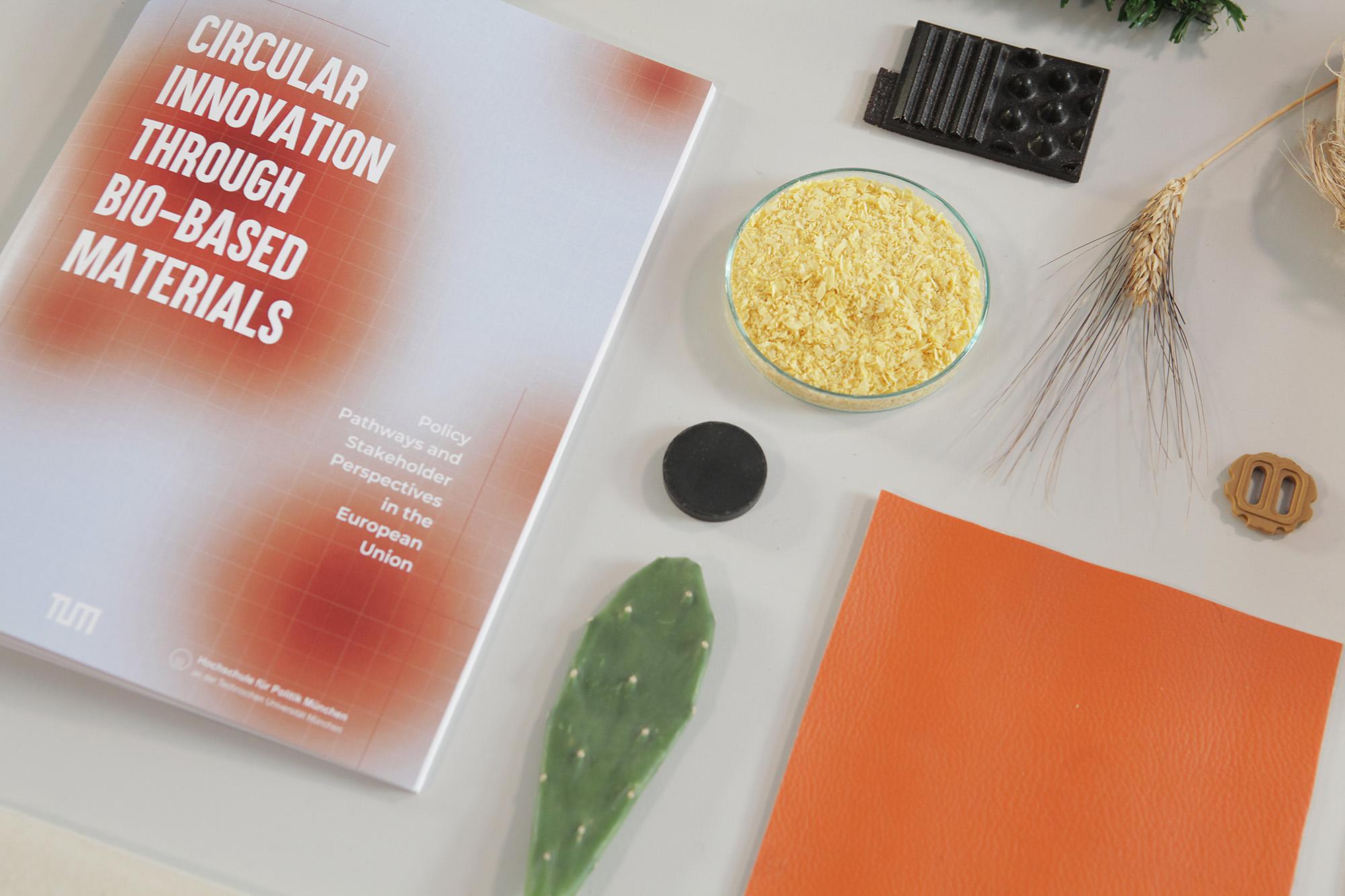
Insights from our participation in the Studio Nima report “Circular Innovation Through Bio-based Materials”
At Reselo, we recently had the opportunity to contribute to the Studio Nima report on bio-based materials in Europe. As companies continue investing in the Circular economy, innovative material developers are finding new opportunities to reshape industrial production and reduce dependence on fossil-based resources. Being part of this broader group of innovators and actors who were interviewed for the report offered a useful perspective: while technologies differ, many of the underlying challenges and opportunities are shared.
What follows is our view from within that entangled ecosystem.
As a startup, we navigate a policy landscape that is spread across multiple frameworks; regulation, funding, and market mechanisms that are all evolving in parallel. From our side, this means that developing a new material is only one part of the work. Understanding how it fits into existing standards, certifications, and regulatory structures is just as important.
As our CEO Josefin Larsson puts it:
“You are not just developing a material. You need to adapt it to a system that already exists – with its own rules, expectations, and infrastructure. It takes time to fully grasp the extent of the ecosystem and all stakeholder contributions, limitations and the material reality of the market.”

Like many companies featured in the report, we see scaling as the defining phase. Early validation is essential, but the real work begins when moving toward industrial production and integration. This is where cost structures, supply chains, and performance consistency all need to align.
Today, we are increasing production capacity to meet anticipated demand, with the ability to for example produce an industrial amount of outsoles in the near term. Reselo combines direct material supply with co-development partnerships and application-specific implementation programs. Customers can either integrate Reselo Rubber as a rubber polymer into their existing compounding processes or adopt a ready-to-implement outsole recipe through the company’s outsole program. This dual approach enables fast adoption and real-world testing while supporting tailored material development in partnership with industrial clients. In parallel, Reselo is exploring large-scale production, aiming to establish its first dedicated production plant and strengthen the resilience of the local region while supporting more Sustainable supply chains .
The report however describes a structural gap between demonstration and scale, something we recognize directly. The most significant barrier at the moment is cost. At smaller production volumes, bio-based materials are more expensive than fossil-based alternatives. With scaling comes price competitiveness, but until then, there is a price gap. This is where policy could play an important role. Adjusting the cost structure of fossil-based materials would level the playing field. Another issue is how biomass is valued. Birch bark is often burned for energy instead of being upvalued into higher-value materials. Stronger incentives for cascading use of biomass would support solutions like ours.

Regulation is a constant presence in how materials are evaluated and adopted. It defines requirements around safety, traceability, and performance. It also influences how companies prioritize innovation internally.
Navigating regulation requires a lot of resources and the system has largely been built around existing materials. For new bio-based solutions, this means aligning with frameworks that were not originally designed for them. Compliance, reporting and registration, especially under frameworks like REACH regulation can be complex, particularly because bio-based materials are often mixtures rather than pure chemical substances. For a start-up, that administrative effort is expensive and sometimes diverts resources from product development.
Overall – regulations are however more an opportunity than a burden for us. Strong EU policy initiatives that aim to phase out fossil fuels or require higher shares of renewable content directly strengthen our position. For example, the Sustainable Product Regulation creates requirements for biobased or recycled content in products like shoes and vehicles. Euro 7 emissions standards also create incentives to rethink tire composition, including wear particles and material content. These developments are helping accelerate the transition toward a more resilient and scalable Circular economy models across Europe.

The current volatility in oil markets adds another dimension. Fluctuations in fossil-based material costs are changing how alternatives are viewed; not only from a sustainability perspective, but also from a supply and resilience standpoint.
From where we stand, it reinforces the importance of developing materials based on renewable and regionally available resources while continuing to meet industrial performance requirements. Policy needs to promote this.
Participating in the Studio Nima report made one thing clear – many companies are working through similar challenges in parallel. For us, the focus remains to scale, collaborate, and integrate into real-world applications. As innovation, regulation, and industrial demand continue to evolve together, the transition toward a stronger Circular economy will depend on long-term collaboration and scalable material solutions.
