
The footwear industry is booming, with over 24 billion pairs of shoes produced
annually — a number that continues to rise as demand grows in both developed and emerging markets. Yet, behind this staggering output lies a significant environmental challenge: the majority of shoes on the market today feature outsoles made from fossil-based rubbers, materials derived from crude oil that contributes to enormous carbon emissions and pollution.
Outsoles are the foundation of every shoe, responsible for durability, traction, and performance. However, conventional rubber outsoles are typically composed of synthetic rubbers (SBR, BR, or similar polymers), which rely on finite fossil resources. The production process is energy-intensive, and discarded shoes often end up in landfills, where they can take decades to decompose and release microplastics into the environment. According to research the footwear industry uses around 2M ton of fossil derived rubber polymers each year. On average SBR and BR, the two rubbers mainly used for outsoles, contribute 5,5 kg CO2/kg material. This equals to 11M ton CO2 emitted every year. For comparison, this is similar to Estonia’s national emissions or 3 coal plants running for a year.
In a shoe the sole often has a comparatively high environmental impact due to its weight and petroleum-reliance. The vast majority of outsoles—even in shoes marketed as “sustainable”—are made from 100% petroleum-based synthetic rubber or blends where the synthetic portion dominates. Natural rubber is used by some brands, but it is almost always blended with synthetic rubber to improve durability and performance. Most brands do not specify the percentage of biobased content in their outsoles, even if they highlight the use of “natural” or “sustainable” rubber. In cases where percentage is disclosed, it’s seldom more than 20%.
In response to growing consumer awareness and regulatory pressure, the footwear industry is however exploring innovative, eco-friendly alternatives for outsoles:
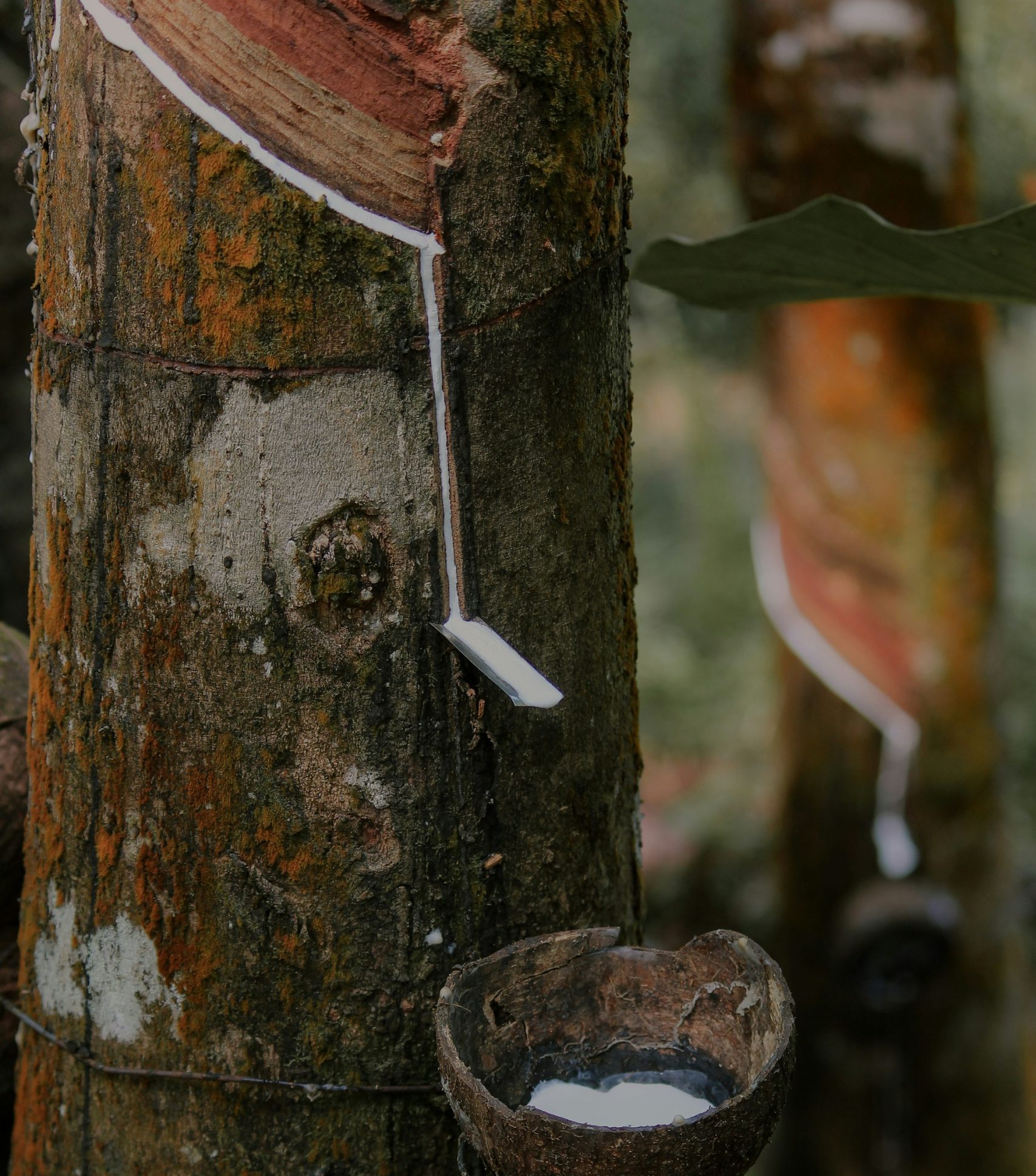
Critics often raise concerns about adaptations in outsole manufacturing when using innovative materials and whether sustainable outsoles can match the performance of traditional products. However, advancements in material science are proving otherwise.
Our Reselo Rubber integrates into existing manufacturing processes, including mixing, extrusion, vulcanization and compression molding, making it a practical “drop-in” solution for the industry. Additionally, generating the material from birch bark – a byproduct of the pulp, paper, and plywood industries – Reselo improves resource efficiency while lowering the carbon footprint of footwear products. Reselo has already developed several Reselo Rubber based products with different footwear brands and the first outsoles with our material are on the market since late 2025 through our collaboration with Skråmträsk.
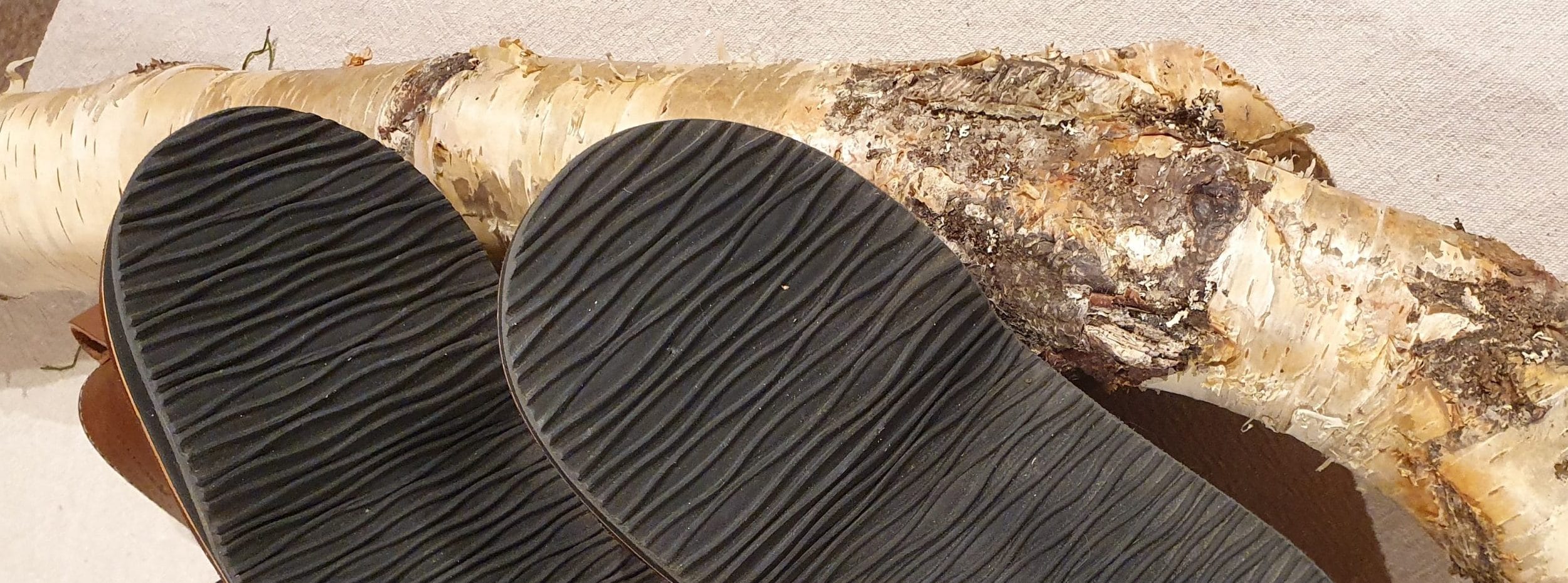
As sustainability becomes a non-negotiable priority, footwear brands are investing in research and partnerships to scale up eco-friendly outsole solutions. Consumers, too, have a role to play by supporting brands that prioritize innovation and transparency in their supply chains.
The future of footwear lies in balancing performance, durability, and sustainability—and the outsole is where this transformation begins. By embracing renewable materials and circular design, the industry can reduce its environmental footprint while continuing to meet the needs of athletes, professionals, and everyday wearers alike.
What kind of sustainable footwear innovations have you encountered? And who would you like to see implement Reselo Rubber’s birch bark solution next?